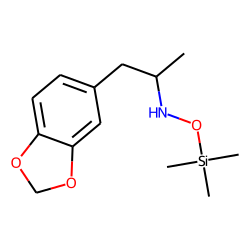
FLEA, also known as 3,4-methylenedioxy-N-hydroxy-N-methylamphetamine (MDMOH or MDHMA), is an entactogen, psychedelic, and stimulant of the phenethylamine, amphetamine, and MDxx families. It is the N-hydroxy homologue of MDMA ("Ecstasy"), and the N-methyl homologue of MDOH. FLEA was first synthesized and assayed by Alexander Shulgin. In his book PiHKAL (Phenethylamines i Have Known And Loved), Shulgin listed the dosage range as 100–160 mg, and the duration as approximately 4–8 hours. He describes FLEA as causing entactogenic and open MDMA-like effects, easing communication, and increasing appreciation of the senses. Shulgin explained the reasoning for naming the compound "FLEA" in PiHKAL.
Legality
United Kingdom
This substance is a Class A drug in the Drugs controlled by the UK Misuse of Drugs Act.
See also
- Substituted methylenedioxyphenethylamine
References
External links
- FLEA - PiHKAL - Erowid
- FLEA - PiHKAL - Isomer Design